San Pedro de Atacama: Rainbow Valley Tour and Petroglyphs review
What the morning is like
Morning pickup from San Pedro (around 7 a.m. or 8 a.m.). The ~90-minute drive heads southeast to Valle del Arcoíris (Rainbow Valley). The hillsides are mineral-striped in reds, yellows, greens, and purples — iron oxide, sulfur, copper minerals. Guides Denny and Ronald are mentioned in reviews. Maria said "He was passionate about geology so he shared a lot of interesting facts." Alice noted "Great explanations of the geological formations and petroglyphs that we saw. Nice breakfast that is included." The geology is explained throughout; you understand why the Atacama looks this way. Breakfast stop partway through (included). A visit to Yerbas Buenas, where pre-Columbian petroglyphs are carved into rock — archaeological context adds depth. Return to San Pedro by early afternoon (around 1–2 p.m.). The tour leaves your afternoon free for rest or a second tour (e.g., stargazing at night).
What works
- Highest-rated tour (4.9 stars) shows strong guide quality
- Combines geology and archaeology — two systems of learning from the landscape
- Mineral colours are genuinely striking and photogenic
- Only ~3,000 m altitude — ideal for acclimatisation day 2
- Breakfast included and often praised
- Morning departure means free afternoon for rest or second tour
- Guides Denny and Ronald are repeatedly praised for expertise
Worth knowing
- Fewer total reviews (73) than major tours — smaller sample, though consistent 4.9
- Petroglyphs require respect and care — stay on designated paths
- ~90 minutes each way is drive time; 5 hours total including stops
- Altitude is gentle, but ~3,000 m can still cause mild headaches on day 2
Bring high-SPF sunscreen and a wide-brimmed hat. The mineral colours reflect UV intensely; sunburn is real even on cool days.
Who it’s for
Second-day visitors who want to climb altitude gently. Geology enthusiasts and archaeology buffs. Photographers after colour and geological texture. Solo travellers on a budget who want depth in a shorter tour. Morning people who prefer to explore early and rest later. If you’re arriving today, start with Valley of the Moon. Want more rock formations? Piedras Rojas is a full-day option at 4,000 m.
Other tours to consider
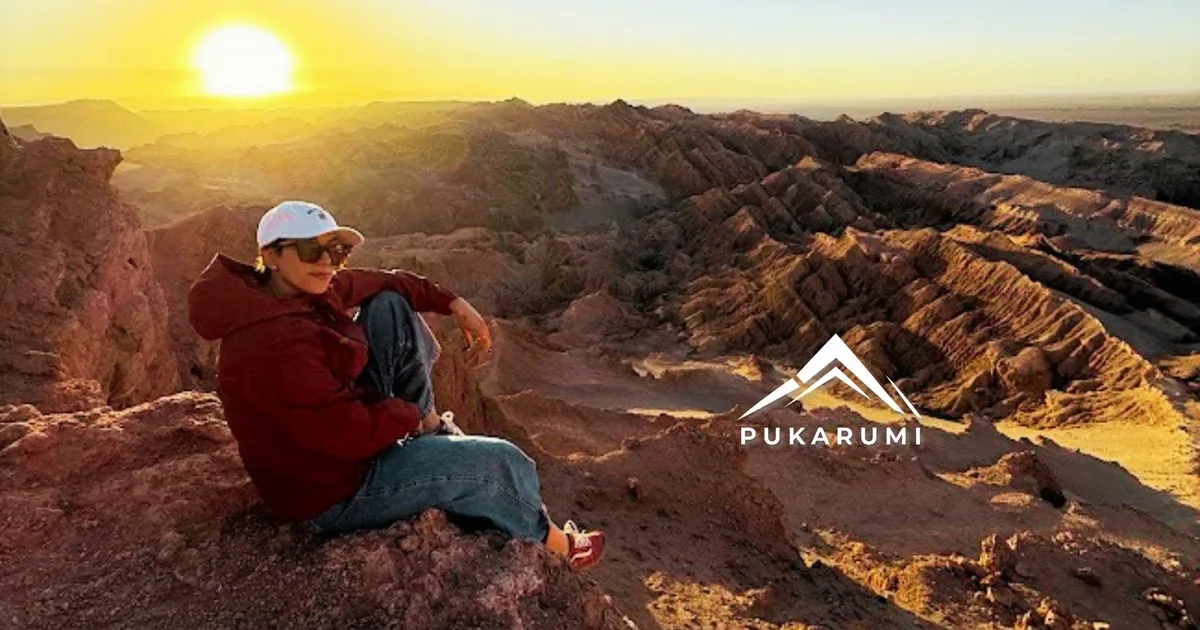 Best first day
Valley of the Moon | Stunning Atacama Sunset Tour
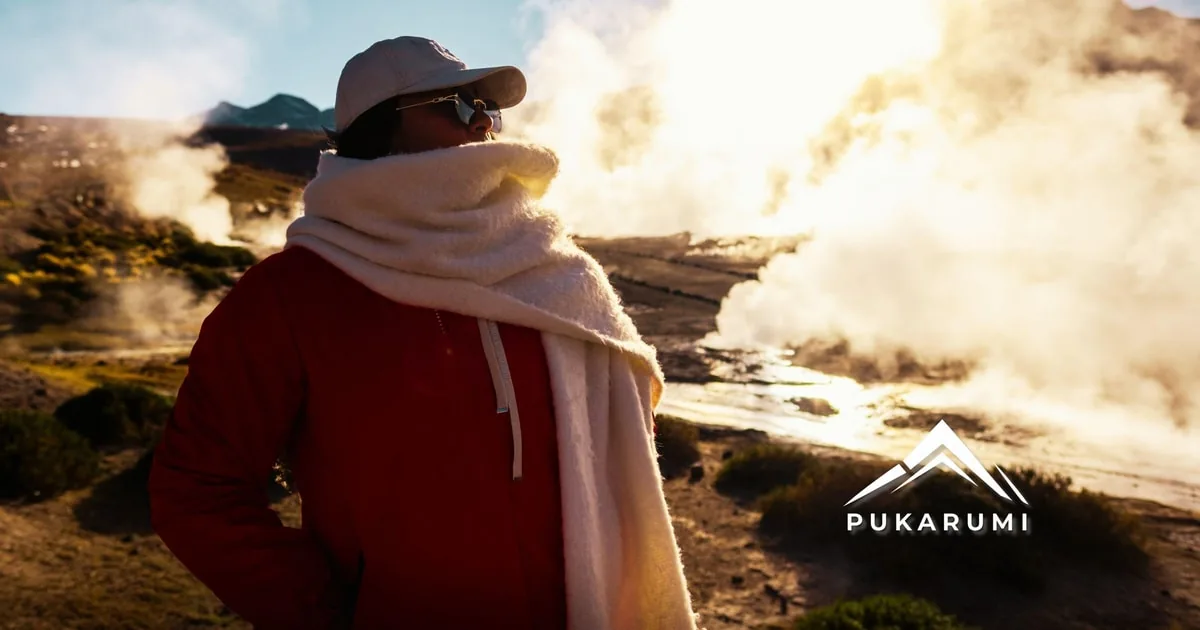 Most reviewed
Tatio Geysers at Sunrise | Breakfast & Incredible Landscapes
Frequently asked questions
What’s the difference between Rainbow Valley and Piedras Rojas?
Rainbow Valley is morning, geology, 5 hours, ~$53, and mostly 3,000 m. Piedras Rojas is a full day, 10 hours, ~$85, 4,000 m, with flamingos and lagoons. Both are mineral-heavy landscapes. Pick Rainbow Valley for day 2, Piedras Rojas for day 4+.
Can I climb on the coloured hillsides?
Stay on designated paths. The minerals are fragile, and the site is protected. Guides enforce this, and the restrictions preserve it for other visitors.
How much time at the petroglyphs?
About 30–45 minutes. Yerbas Buenas has multiple petroglyph panels. The guide narrates the pre-Columbian context — shepherds, hunters, astronomical markers.