Key takeaways
- Altitude decides your itinerary. San Pedro sits at 2,408 m; El Tatio geysers peak near 4,320 m. Do low tours first (Moon Valley, stargazing), high tours after day 3. Headaches and breathlessness are normal above 4,000 m without acclimatisation.
- Every sight is a separate tour. The Atacama costs more than it first appears because each excursion is booked solo or stacked. Three single tours can pass $200; a 4-day package caps it at $332 (about $83/day).
- The skies are exceptional. Roughly 90% of nights are clear; the region hosts ALMA and other major observatories. Stargazing tours pause around the full moon—new-moon weeks are best.
- Cash matters more than cards. Reserve and park entrance fees are usually charged separately, payable in Chilean pesos (cash). Tours and San Pedro restaurants take cards widely, but bring pesos.
- Three to five days covers the classics. A 3-day plan does Moon Valley, stargazing, and El Tatio; five days adds Piedras Rojas and Baltinache lagoons at a humane pace.
What a typical Atacama tour includes
From hotel pickup through sunset or sunrise and back — what you get on the tour, what's in the price.
What you see
- Moon Valley salt ridges, petroglyphs, or geysers depending on tour
- Stargazing with guide-led telescope sessions under pristine skies
- Flamingo colonies at Chaxa Lagoon (Piedras Rojas tours)
- Salt lagoons where you can float (Baltinache)
- Dunes for sandboarding or just photos (Valle de la Muerte)
- Pre-Columbian petroglyphs at Yerbas Buenas (Rainbow Valley)
What's included
- Hotel pickup and return in San Pedro
- Guide (usually bilingual: Spanish/English)
- Sunrise or sunset snacks and drinks (varies by tour)
- Breakfast or lunch on full-day tours
- Entry fees to reserves are extra, paid in pesos (cash)
- Free cancellation on most tours (check GetYourGuide listing)
How a first visit unfolds
Arrival to acclimatisation to high-altitude tours — the altitude order that keeps you healthy and sane.
San Pedro sits at 2,408 m, high enough to feel thin air but low enough to settle in. The classic mistake is climbing to El Tatio geysers (4,320 m) on arrival day; the altitude leaves you gasping and nauseous. The smarter sequence: spend day 1-2 on low tours (Moon Valley, sandboarding, stargazing), sip water and rest, then tackle the high peaks on day 3+.
- Arrive and settle — Hotel in San Pedro town (2,408 m). Drink water, avoid alcohol, skip a heavy lunch. You're above sea level; mild headaches are normal.
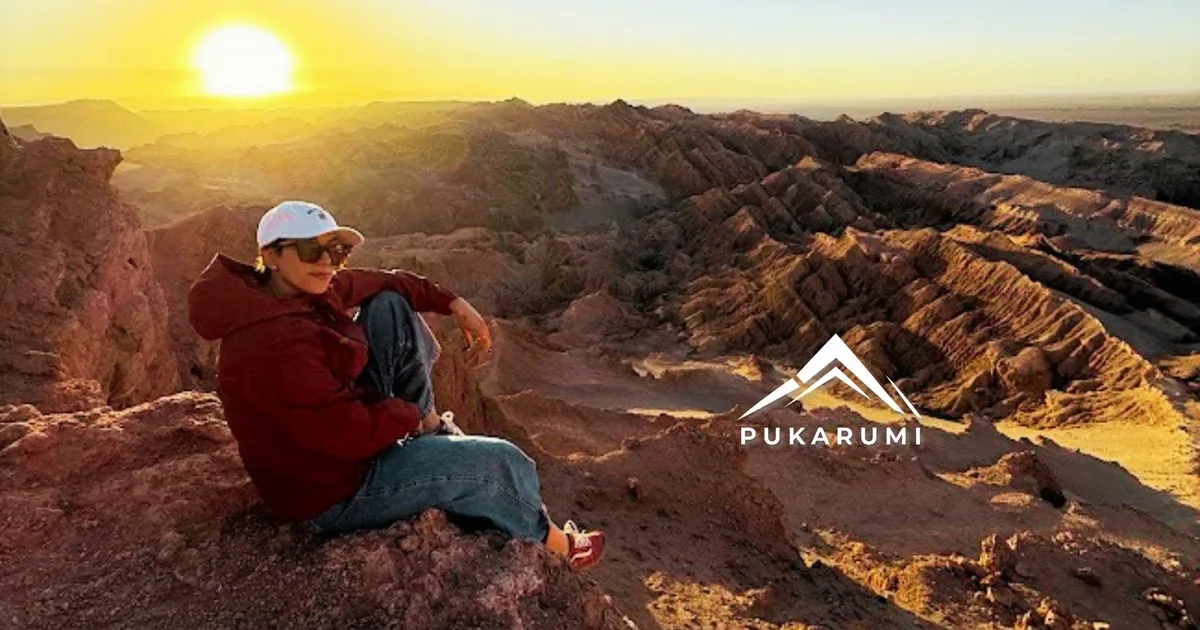
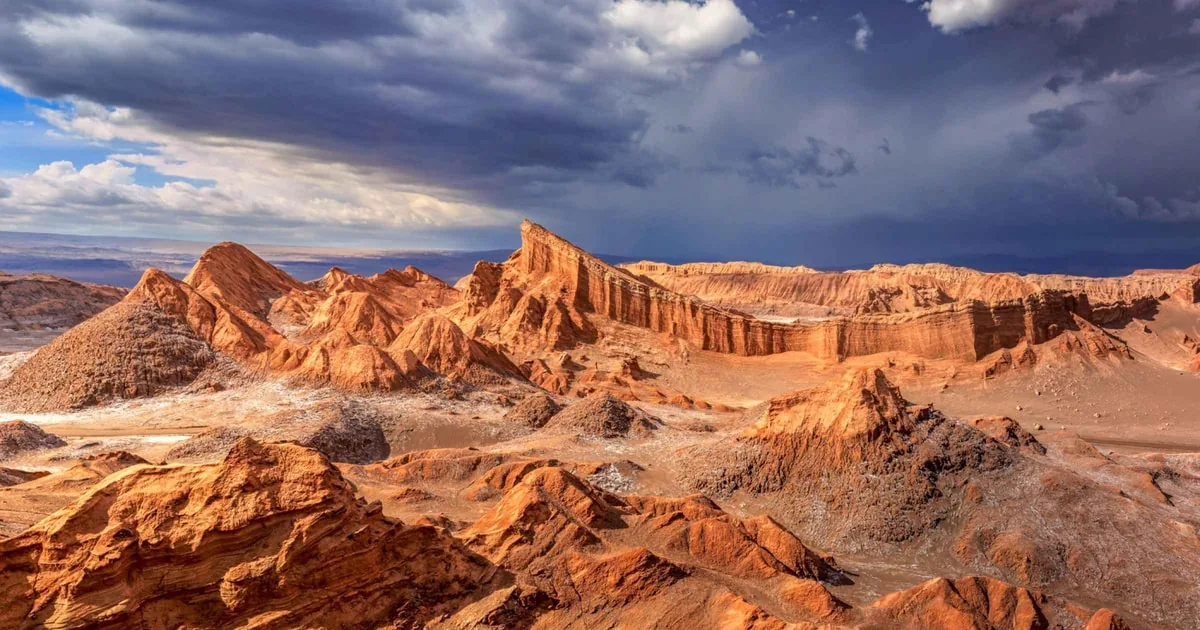
- Moon Valley sunset — Afternoon tour (~2,500 m). Salt-and-clay ridges turn pink and violet at sunset. Guides bring a platter of local snacks and wine. Day 1 or 2.
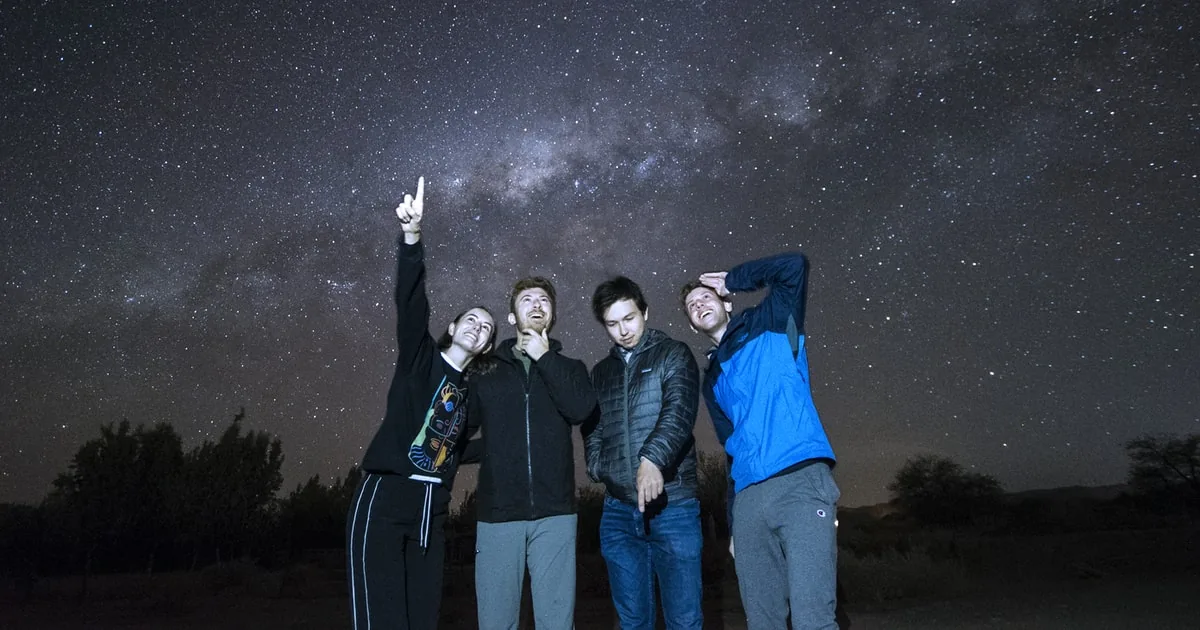
- Stargazing night — Evening activity (~2,408 m). Telescopes, guide-led sky tour, snacks and drinks. Book your first night so a weather cancellation can be rebooked. Clear skies on ~90% of dates.
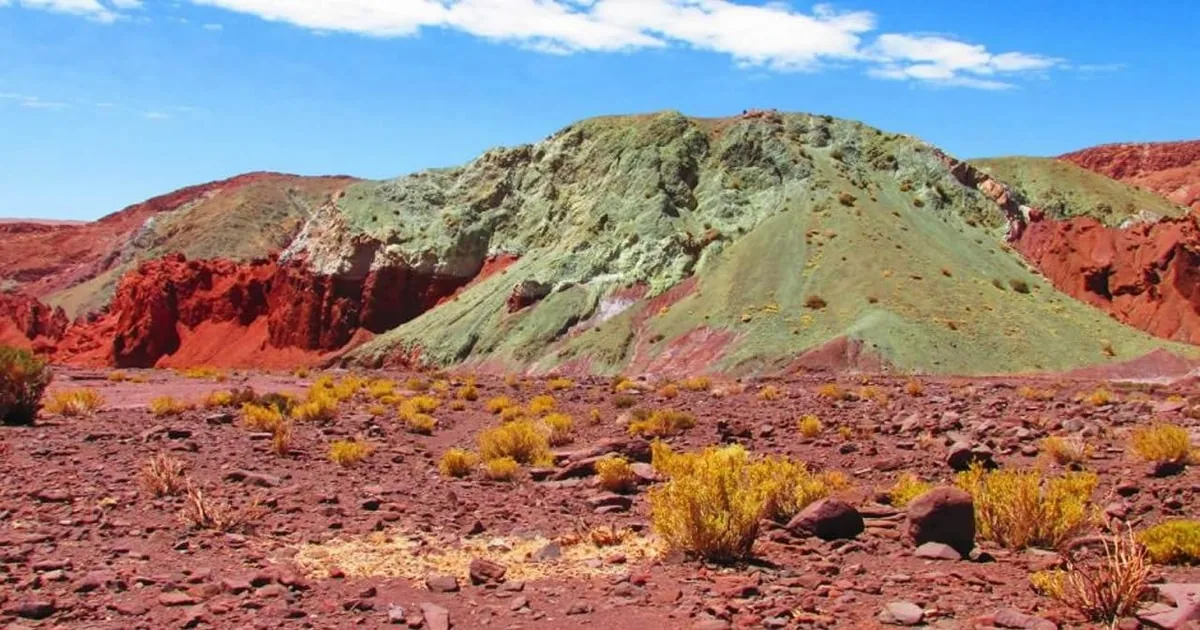
- Rainbow Valley or sandboarding morning — Low-altitude geology or beginner-friendly dunes (Valle de la Muerte). Both are fine for day 1-2; altitude is minimal.
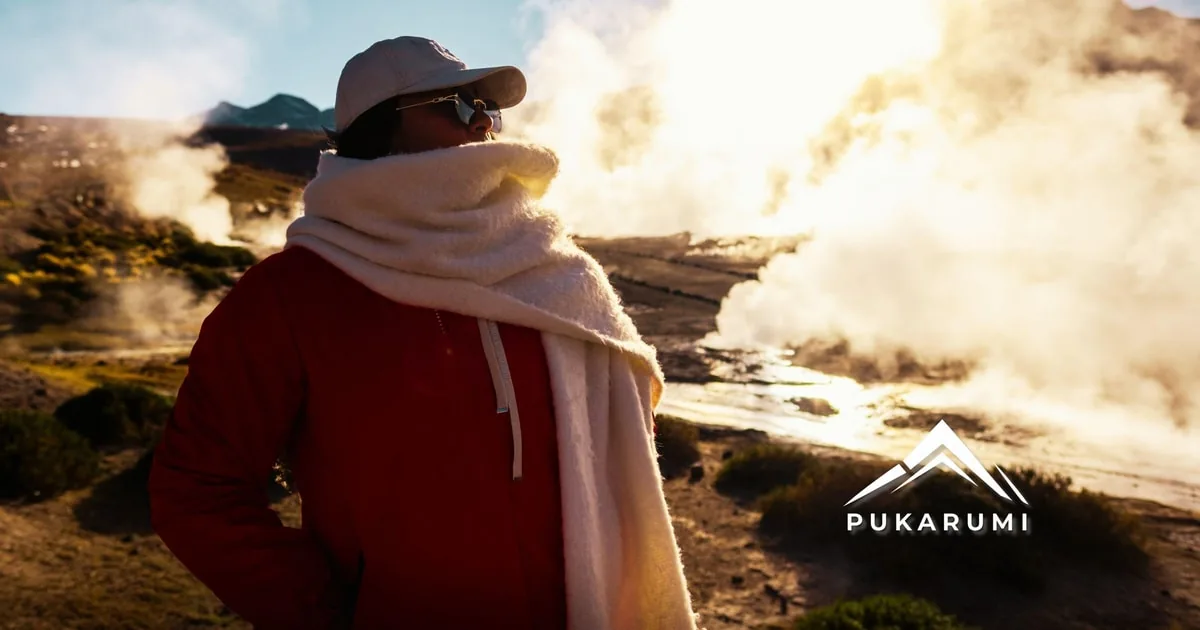
- El Tatio geysers at sunrise — Early-morning tour (pickup ~4:30 am, geyser basin at ~4,320 m). Sunrise steam columns are tallest then; pre-dawn cold is severe (often -10 C). Do this on day 3+.
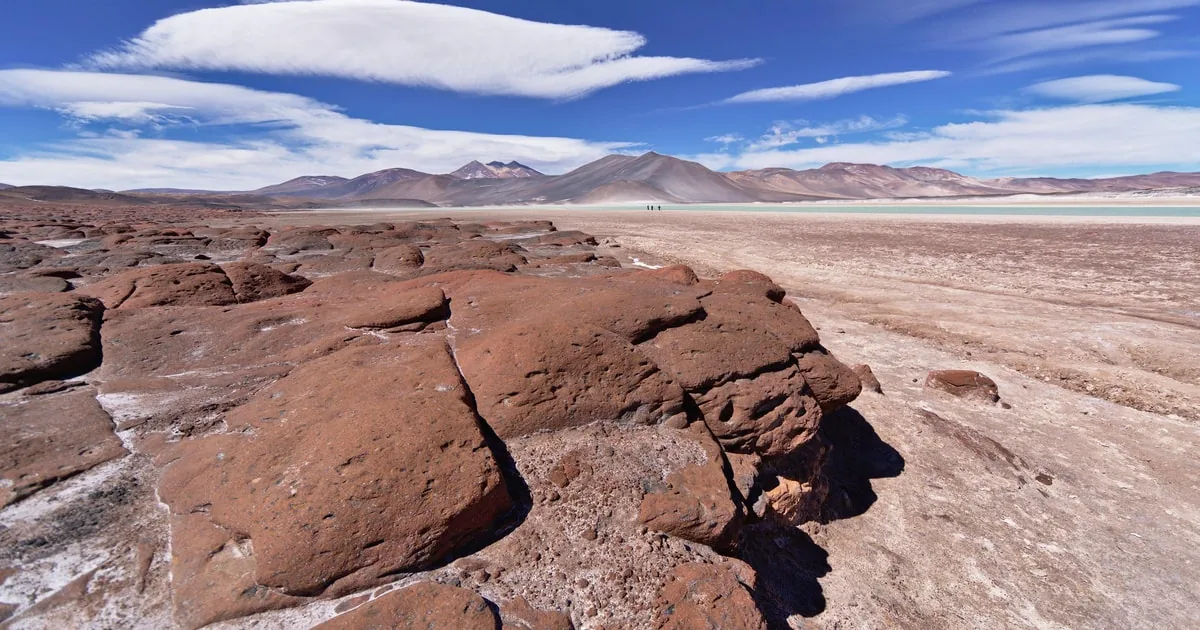
- Piedras Rojas and lagoons full day — High-altitude tour visiting red volcanic stones, turquoise lagoons, and flamingo colonies (roughly 4,000 m). Budget a full 10 hours. Save for day 3 or later.
A visit doesn't need to follow this order exactly, but respecting altitude makes the difference between a great trip and a headache-riddled scramble. See day-by-day itineraries and altitude effects explained.
How booking an Atacama tour works
Pick your tour
Start low and climb high: Moon Valley or sandboarding first, El Tatio or Piedras Rojas once you've acclimatised (day 3+).
Check dates and prices
Real availability and live pricing via GetYourGuide. Most tours book 1-3 days ahead; stargazing is weather-dependent.
Book with free cancellation
Instant confirmation email. Most tours cancel free up to 24 hours before. Check the listing for specifics.
Bring cash and layers
Have Chilean pesos for reserve entrance fees (cards don't work at gates). Pack fleece and windproof shell for high-altitude cold.
Book your Atacama tour now
The most-booked tour: Moon Valley sunset with a platter of local snacks and wine.
Which tour is right for you?
All eight options, side by side: price, duration, altitude, meals, and the best day to book.
| Valley of the Moon | Stunning Atacama Sunset Tour | Most reviewedTatio Geysers at Sunrise | Breakfast & Incredible Landscapes | San Pedro de Atacama: Stargazing Experience | |
|---|---|---|---|
| Price | $60 | $60 | $33 |
| Duration | 4.5 hours | 6 hours | 2.5 hours |
| Peak altitude | ~2,500 m | ~4,320 m | ~2,400 m |
| Meals included | Snacks + drinks | Breakfast | Snacks + drinks |
| Best day | Day 1 or 2 | Day 3+ | Day 1 (book first) |
| What to know | Sunset platter | Very cold pre-dawn | Moon phases matter |
| View → | Book this → | View → |
Photo Gallery
Atacama tours — through the lens
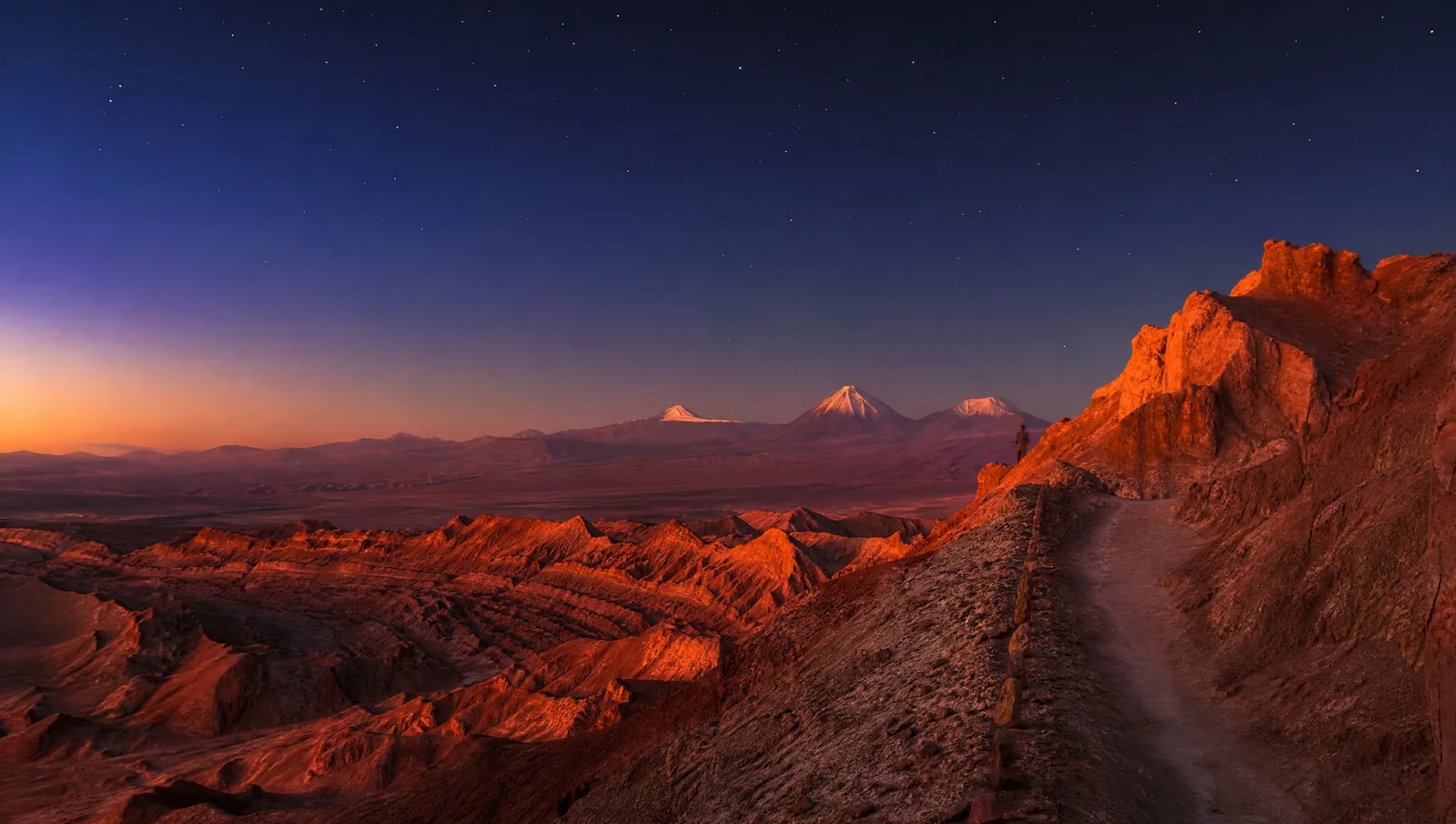
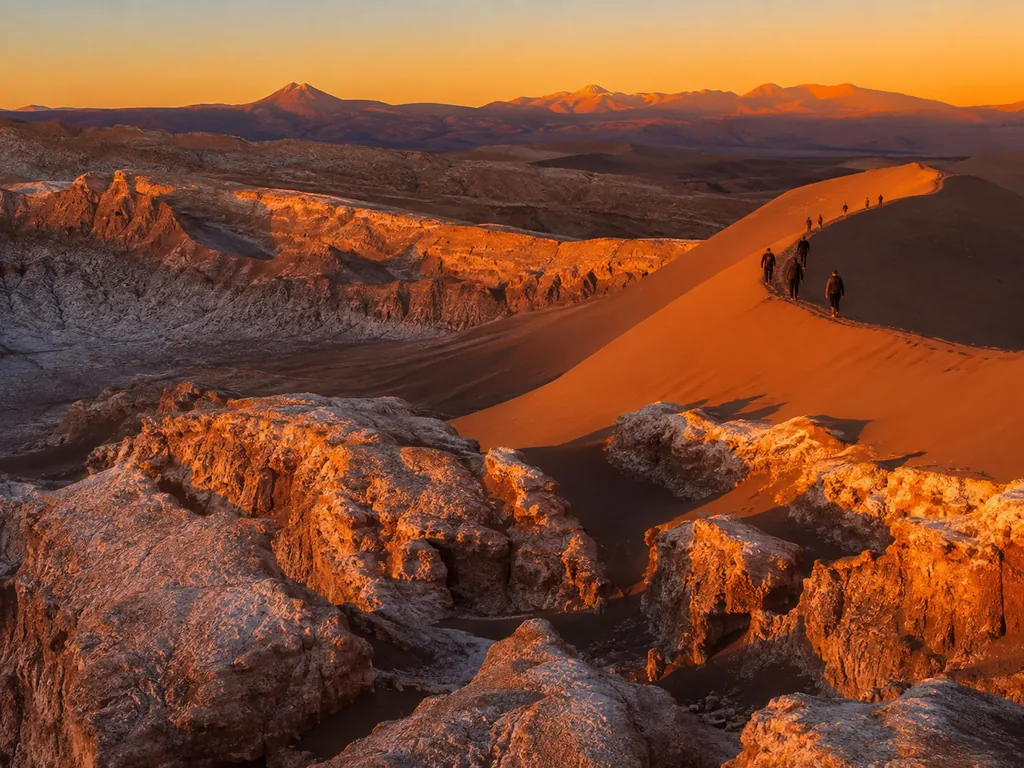
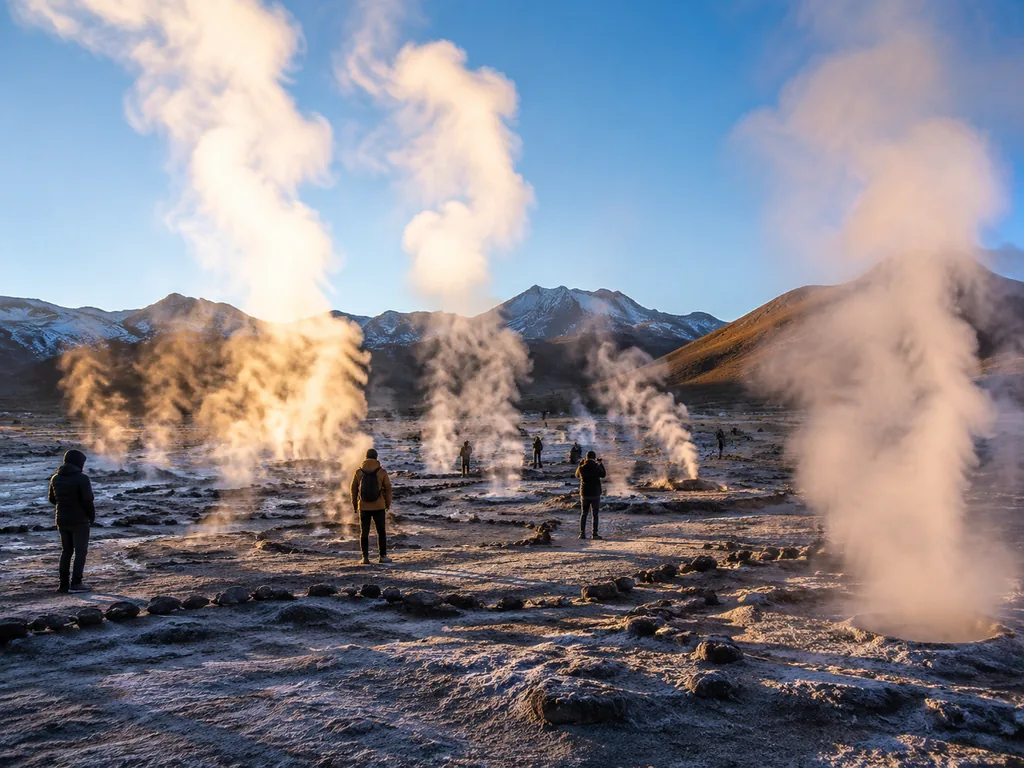
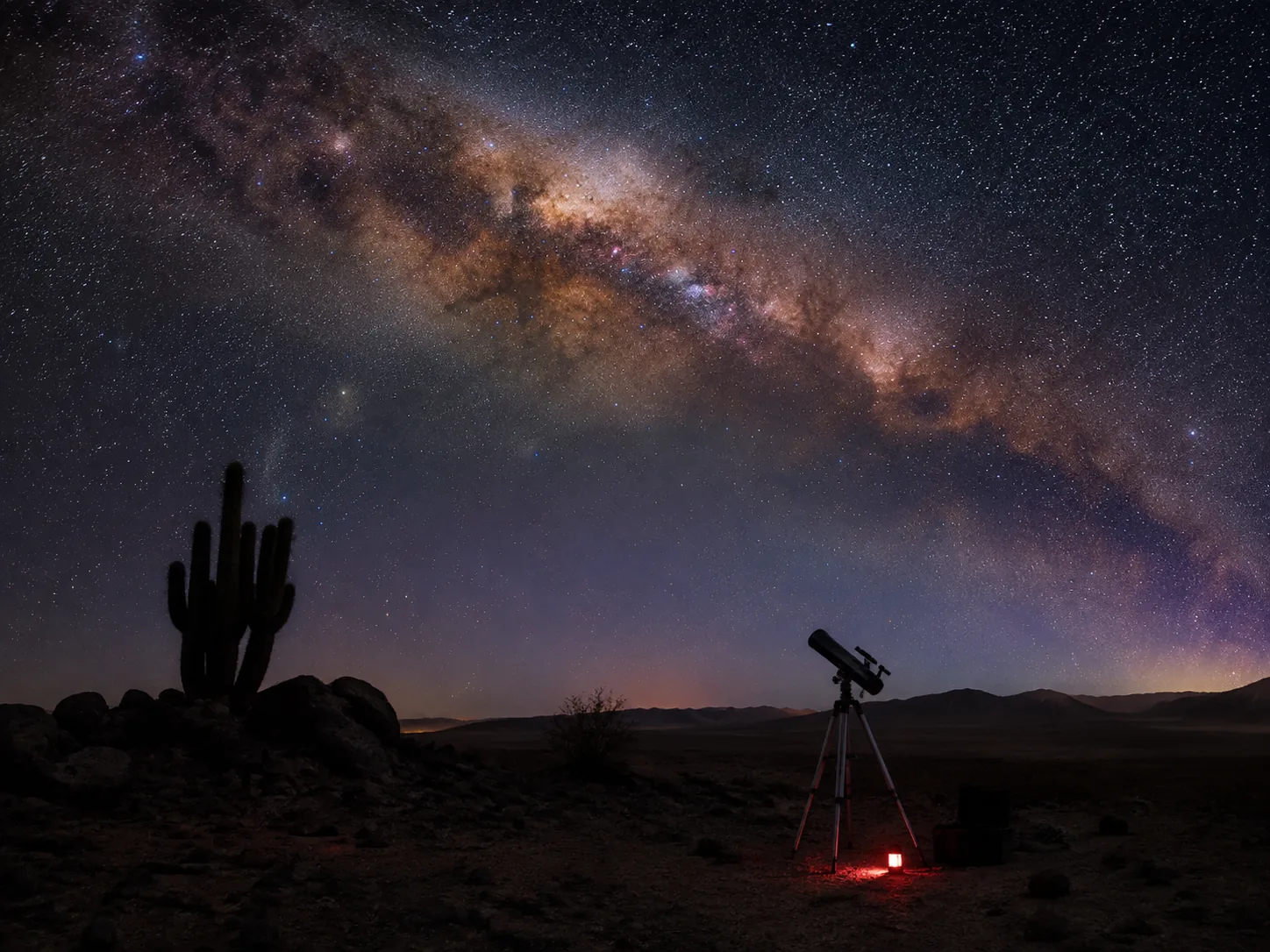
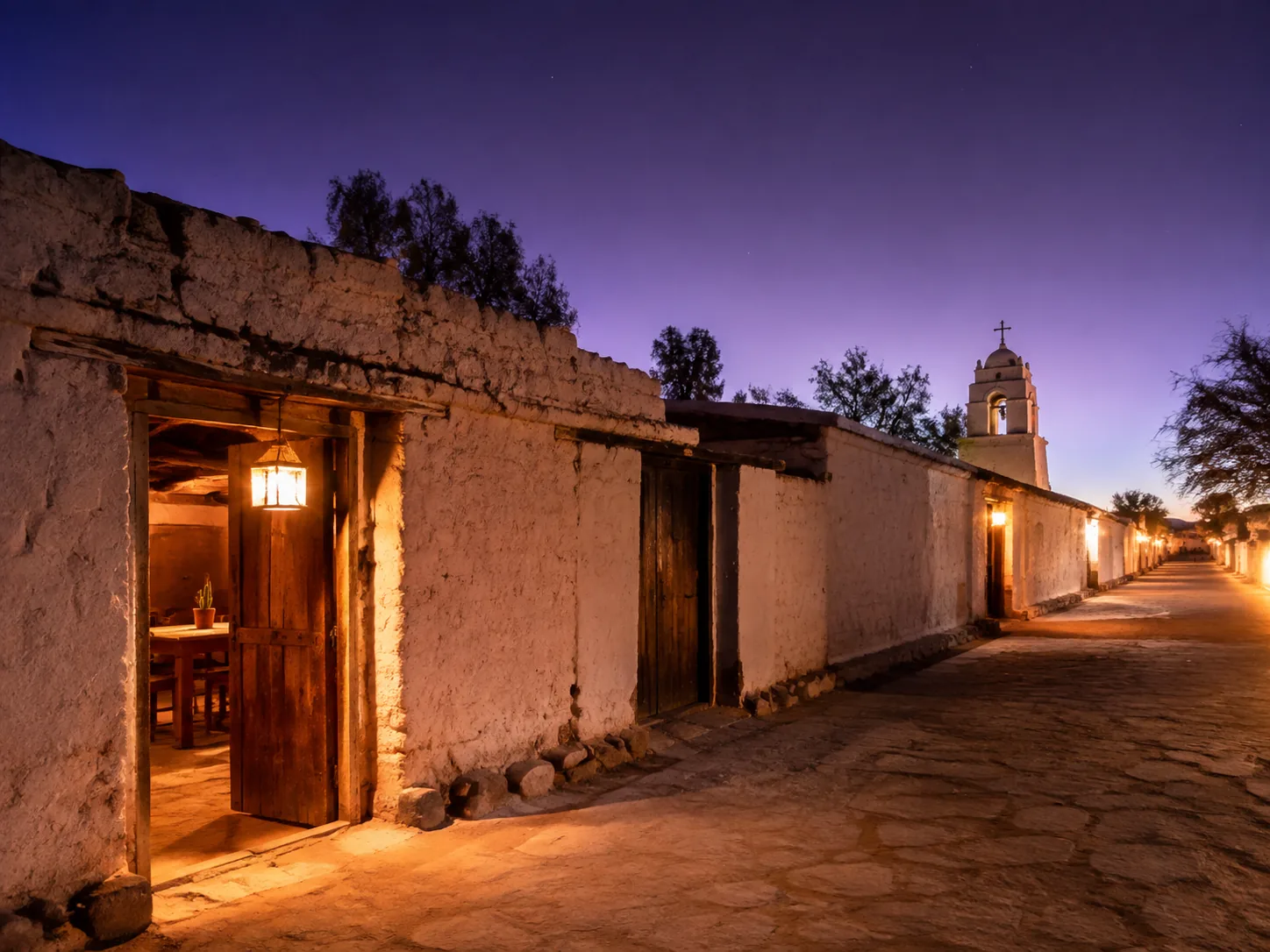
A glimpse of the sights: sunset ridges, morning geysers, clear skies, and lagoons.
Popular Atacama tours
The eight most-booked San Pedro departures, compared side by side — sunset valleys, sunrise geysers, high lagoons, hidden swims and the night sky.
 Best first day
Valley of the Moon | Stunning Atacama Sunset Tour
 Most reviewed
Tatio Geysers at Sunrise | Breakfast & Incredible Landscapes
 Best value
San Pedro de Atacama: Stargazing Experience
 Full day
Piedras Rojas, Altiplanics Lagoons & Salar Full-Day Tour
 Top rated
San Pedro de Atacama: Rainbow Valley Tour and Petroglyphs
 Swim stop
Baltinache Hidden Lagoons
 Adrenaline
Sandboarding Tour in San Pedro de Atacama, Chile
 4-day package
6 Unmissable Tours in 4 Days in Atacama
What guests say about Atacama tours
Real reviews from travellers who booked the tours we feature.
A lovely wander through the lunar landscape of the Atacama Desert and a sunset platter and drinks. A perfect end to the day.
Gorgeous views, good communication before the trip, and the sunset place was breathtaking.
Anita and Pato were great and prepared an amazing spread and cocktails for us for sunset time!
Our guide Lolo was excellent. She modified the activity so we would get to the spots with the least crowds possible.
Really good. V v cold at 4,300 m at 06:30—the more clothes the better. Well organised, punctual pickup.
The Tatio Geysers are a must see whilst in San Pedro.
Breakfast was delicious, best view I've had to start my day.
Keep an eye on the moon; it's better without a full moon. My advice: book for your first night in case it gets cancelled.
Great explanation of the Milky Way from the guide. There were some snacks and drinks, and the pickup service was smooth and well organized.
Ratings and reviews are the operators’ live GetYourGuide figures. Read our full tour reviews ›
Quick answers before you book
The most-asked questions from first-time Atacama visitors.
Why does altitude order matter?
San Pedro sits at 2,408 m; El Tatio geysers peak at 4,320 m. Without acclimatisation, sudden climbs cause headaches, nausea, and breathlessness. Spend day 1-2 on low tours (Moon Valley, sandboarding, stargazing), then climb higher on day 3+. Altitude explained here.
What do I really need to bring?
Layers (fleece + windproof shell over a t-shirt), long pants, sun hat, high-SPF sunscreen, sunglasses, 2 L water, and gloves + warm hat if you do El Tatio. Full packing list by tour here.
Can I do multiple tours in one trip?
Yes, but costs stack: three tours can pass $200 before hotels. A 4-day package bundles six excursions at $332 (about $83/day). See recommended itineraries by length.
Do I need cash, or can I use cards?
Tour and restaurant cards work fine in San Pedro. But reserve and park entrance fees are usually charged separately and paid in Chilean pesos (cash only). Bring pesos; ATMs are in town but not reliable at odd hours.
Can’t make these dates?
Browse more available atacama desert tour and find one that fits your schedule — all with instant confirmation and free cancellation.
The Atacama Desert, explained
San Pedro de Atacama sits at 2,408 metres in the world's driest non-polar desert. The Atacama receives almost no rain—some weather stations have recorded nothing for decades. That dryness, paired with ~90% clear nights, is why ALMA and half a dozen other world-class observatories are here. It's also why a trip here feels like stepping into a landscape designed by someone else's dream: salt ridges glowing at sunset, flamingos in turquoise lagoons, geysers erupting at sunrise under stars so bright they cast shadows.
But the Atacama has a catch. It's expensive not because tours cost much in isolation, but because every sight is a separate excursion. Moon Valley is one tour. El Tatio geysers is another. Stargazing is yet another. Book three, and you've passed $200 before hotels. That stacking is why the decision ladder matters: a 4-day package bundles six tours at $332 (roughly $83 per day), which flattens the cost curve and saves you from booking fatigue.
Altitude: the invisible rule
San Pedro sits at 2,408 m. Most day tours climb higher. Moon Valley stays low (~2,500 m). Stargazing is at town altitude. But El Tatio geysers reach 4,320 m, and Piedras Rojas lagoons hover around 4,000 m. The human body doesn't like sudden altitude jumps. Mild headaches and breathlessness are normal above 4,000 m without acclimatisation. The classic mistake is booking El Tatio on arrival day, thinking "it's just one tour." It's not. You'll spend the day gasping, nauseous, and staring at geysers you can barely enjoy.
The order that works is simple: low first, high later. Spend day 1-2 on Moon Valley, sandboarding, and stargazing—all at or just above town altitude. Rest, drink water, skip alcohol. On day 3+, climb to El Tatio and Piedras Rojas. Your body adapts faster. The sights are better because you're not lightheaded. Tours designed around this principle (like the 4-day package) respect it. Random picks don't.
What each tour delivers
Moon Valley (Valle de la Luna) is a half-day tour, usually afternoon. Salt-and-clay formations in Los Flamencos National Reserve, about 13 km from town. The ridges are grey and red on a normal day. At sunset, they glow pink and violet. Guides bring a platter of local cheeses, bread, wine, and pisco. It's the tour most visitors remember—not because it's the most extreme, but because it's beautiful and social. Book this on day 1 or 2.
El Tatio Geysers at Sunrise is early-morning only: pickup around 4:30 am, arrival at the geyser basin (~4,320 m) just before sunrise. The steam columns are tallest and most dramatic in the cold pre-dawn air. Guides include breakfast (usually empanadas and coffee). The cold is severe—often −10 C or lower. You'll see reviewers mention "very very cold at 4,300 m at 06:30." It's a must-see, but not on day 1. Wait until day 3 or later when you've acclimatised.
Stargazing tours run in the evening (roughly 8 pm–10:30 pm). Telescopes, a guide trained in astronomy, sky maps, and discussion of constellations and how to spot planets. Snacks and drinks. The Atacama's skies are so clear and dark that the Milky Way casts shadows on the ground. But there's a moon-phase rule: stargazing tours pause or reduce frequency around the full moon because moonlight washes out fainter stars. New-moon weeks are best. Book your first night in the Atacama for stargazing so that if weather cancels the tour (rare but possible), you can rebook a later night without disrupting your whole itinerary.
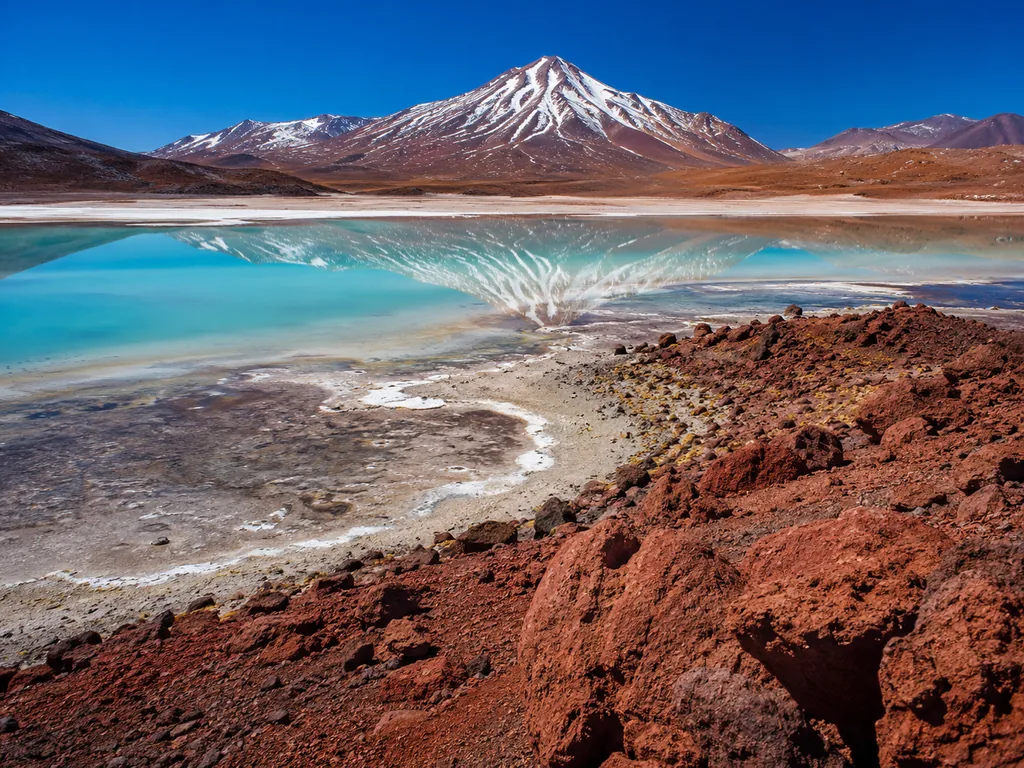
Piedras Rojas and Altiplanic Lagoons is a full-day tour (roughly 10 hours) visiting red volcanic stones beside turquoise salt lagoons at about 4,000 m. The same route usually includes Chaxa Lagoon (Salar de Atacama, much lower at ~2,300 m), where three species of flamingos feed—pink plumage against turquoise water. Breakfast and lunch included. Save this for day 3+.
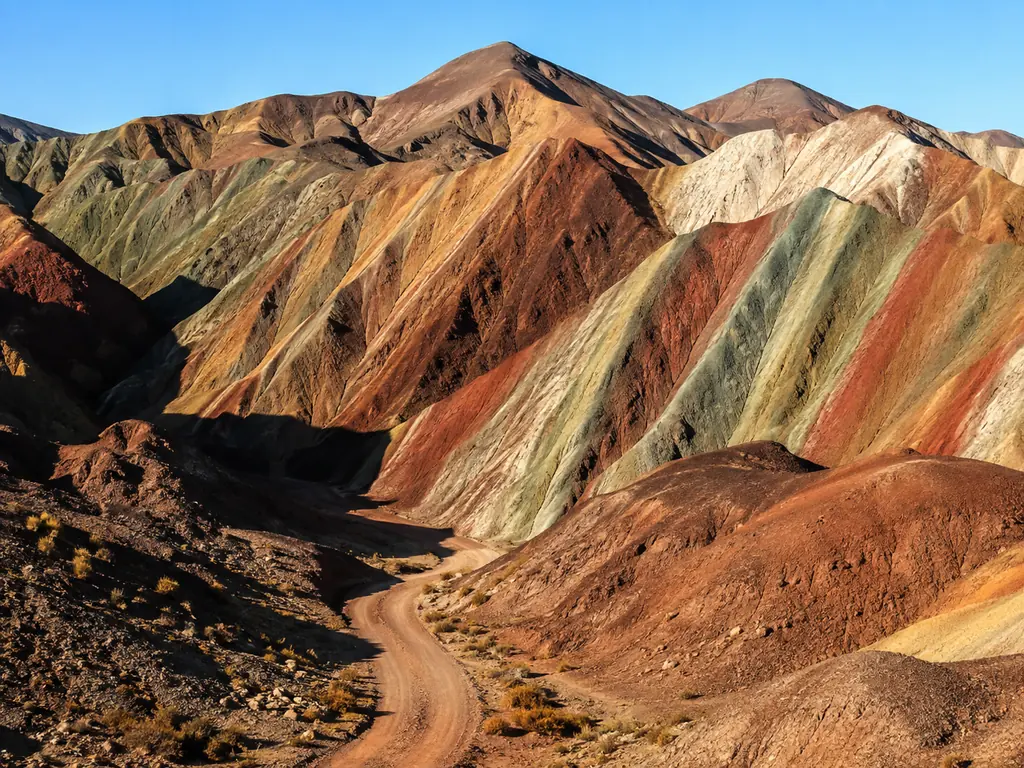
Rainbow Valley (Valle del Arcoíris) is a morning tour showcasing mineral-striped hills about 90 minutes from San Pedro. Nearby Yerbas Buenas has pre-Columbian petroglyphs. Geology-focused. Low altitude (similar to Moon Valley). Breakfast included. Fine for day 1-2.
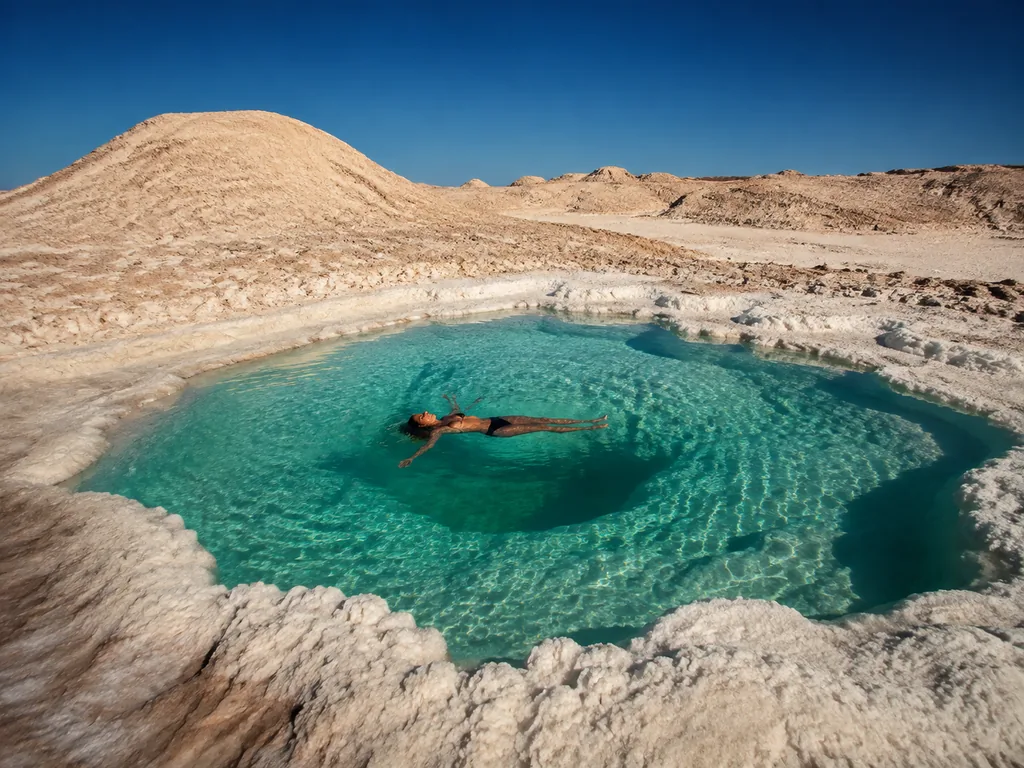
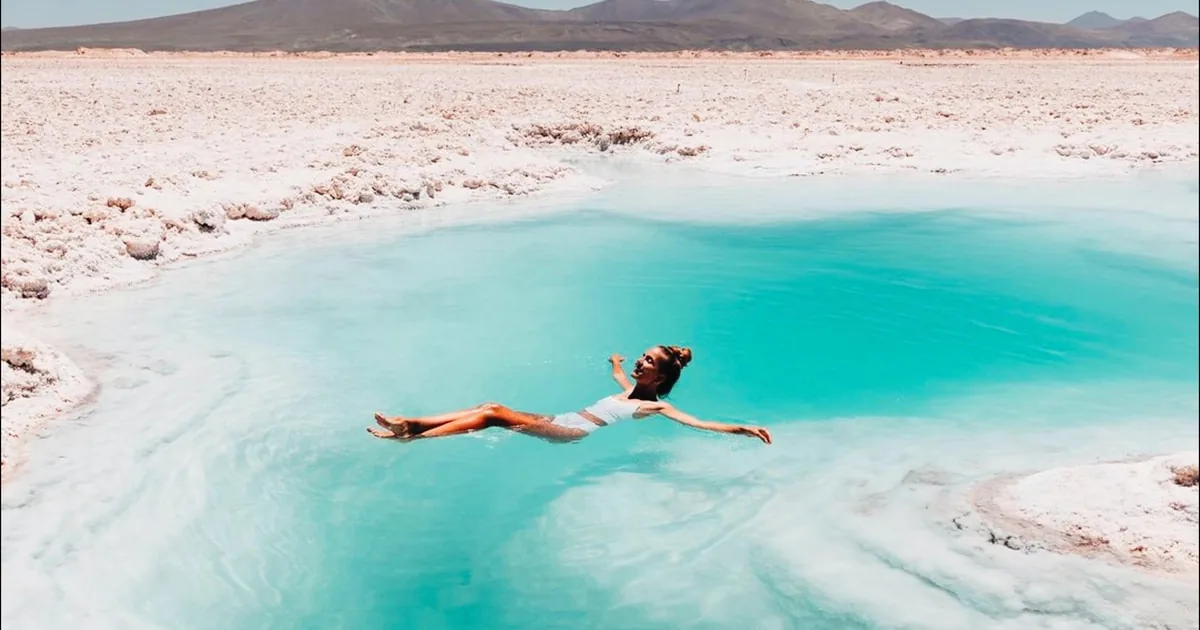
Baltinache Hidden Lagoons is a swim-focused tour of seven salt lagoons in the Cordillera de la Sal. Salinity is so high you float without effort. Picnic lunch, drinks, and occasional live music. An unpaved access road means the tour takes longer than the base time suggests. Swimming is occasionally suspended (one reviewer mentioned disappointment when conditions weren't right), so check before booking. Altitude is minimal. Bring swimwear.
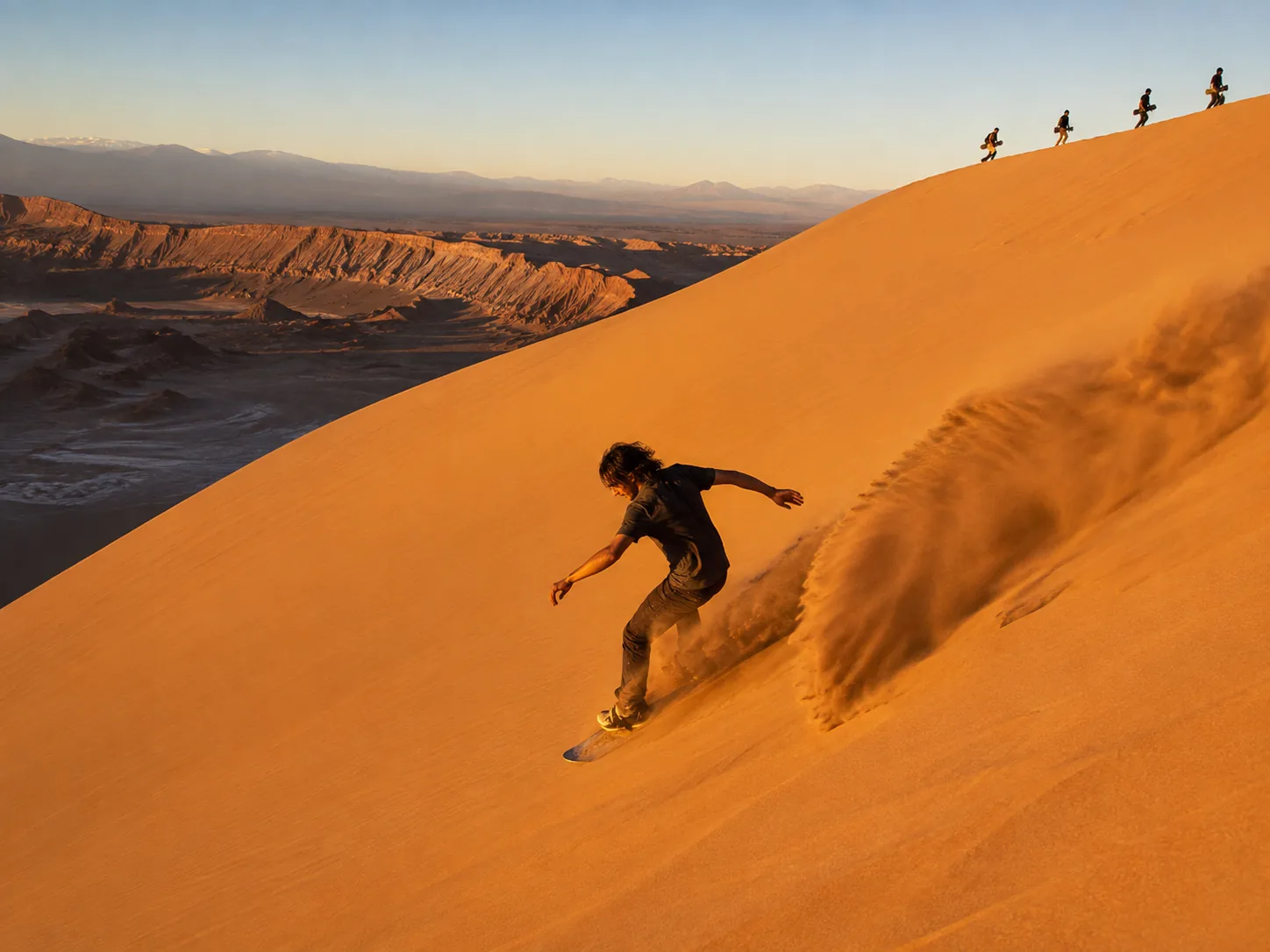
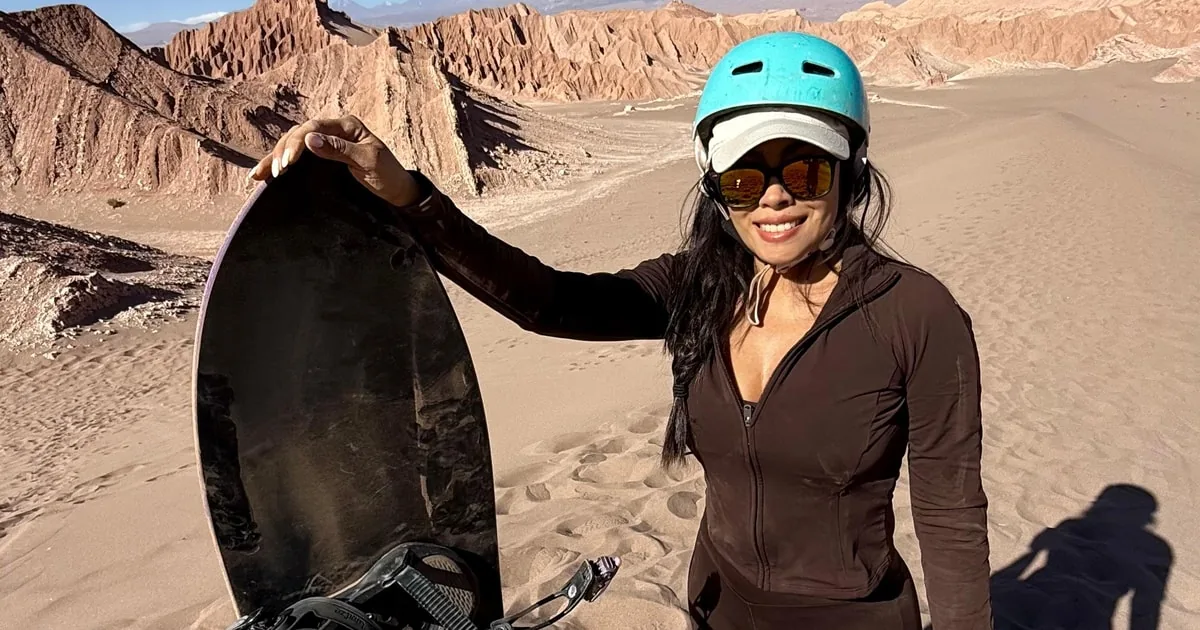
Sandboarding in Valle de la Muerte (Death Valley) is a half-day tour on dunes minutes from town. Beginner-friendly instructors. No altitude stress. Fine for day 1-2 and a good alternative if the weather cancels a high-altitude tour. Expect dune photos and maybe a sunset.
The 4-day package bundles six of these tours across 4 days at $332 total (roughly $83 per day). It's new, so no guest reviews yet, but the math is honest: three single tours cost more than the package. It includes Moon Valley, El Tatio, Piedras Rojas, Baltinache, stargazing, and one other tour. Because it's managed as one booking, the itinerary respects altitude order.
Cost honesty
Tours are priced individually and range from $33 (stargazing) to $89 (sandboarding). A three-tour stack (Moon Valley, El Tatio, Piedras Rojas) costs $205 before hotels and meals. The catch: entry fees to natural reserves are charged separately and paid in Chilean pesos, cash only. No ATM at the gates. Bring pesos or exchange at the town bank before the tour. Amounts vary by reserve but typically add $10-20 USD per tour.
San Pedro restaurants and hotels take cards widely. GetYourGuide payouts are card-friendly. But reserve and park fees don't flex. Carry pesos.
Seasons and moon phases
The Atacama is a year-round destination. Summer (Dec-Feb) brings warmer nights (~16 C in town) and more tourists. Winter (Jun-Aug) has crisper air and sharper stargazing but brutal pre-dawn cold for El Tatio (often sub-zero). Shoulder seasons (Oct-Nov, Mar-Apr) offer fewer crowds and pleasant midday warmth.
Stargazing is best during new-moon weeks—when the moon is absent from the night sky and fainter stars are visible. Full moon weeks are poor for stargazing because moonlight dominates. Check a lunar calendar before booking. If you plan to visit during a full moon, stargazing tours will still operate (guides use telescopes to isolate targets), but the experience is diminished. Ask the operator what to expect.
Roughly 90% of nights are clear year-round. Weather cancellations are rare, but if stargazing gets cancelled due to unexpected clouds, most operators will rebook you for a later night without penalty. Book your first night in San Pedro for stargazing to allow for rescheduling.
What to pack and how to prepare
Layers are everything. Daytime highs reach 20-27 C depending on season, but high-altitude mornings and nights are freezing. Bring fleece, a windproof shell, long pants, a sun hat, and high-SPF sunscreen. For El Tatio and stargazing nights, add gloves and a warm knit hat. Bring 2 litres of water and drink constantly—altitude and dry air dehydrate quickly. Don't drink San Pedro tap water; bottled water is cheap and ubiquitous. Swimwear if you're doing Baltinache.
Arrive a day early if you fly from sea level (Santiago) the same morning. A flight from Santiago to Calama is about 2 hours; add a 1-hour 15-minute transfer to San Pedro, and you arrive mid-afternoon. Book a slow first day in town to rest and drink water. Stargazing that night is fine (it's at town altitude). Save El Tatio for day 3.
Booking reality
Most tours book 1-3 days ahead via GetYourGuide. Peak season (Dec-Feb) books earlier—sometimes 5-7 days. Shoulder season fills more slowly. All tours offer free cancellation up to 24 hours before (check the specific listing). Stargazing tours may cancel due to weather; if yours does, rebook immediately for a later night—the operator will honor it if space exists.
The 4-day package is a single booking, so you don't juggle eight separate cancellation windows. It's simpler and slightly cheaper. The tradeoff: less flexibility to swap tours if you change your mind. If you want to adapt on the fly, book single tours instead.
San Pedro is small and safe. The main 'risk' is altitude. Manage it with the order outlined above, and a trip here becomes what it should be: a week or so in one of Earth's most dramatic landscapes, under skies so clear they remind you why ancient peoples believed the stars were close enough to touch.
Frequently asked questions
Is altitude sickness a real risk in the Atacama?
Mild breathlessness and headaches are common above 4,000 m if you haven't acclimatised. The fix is simple: spend day 1-2 on low tours (Moon Valley, stargazing), drink water, and save high-altitude climbs for day 3+. It's not medical advice, just the order that works.
What time of year is best for stargazing?
The Atacama has clear skies roughly 90% of the year. Stargazing tours pause around the full moon because moonlight washes out fainter stars. New-moon weeks are best. Winter (Jun-Aug) has the crispest air but freezing pre-dawn cold. Summer has warmer nights but more occasional clouds.
How many days do I really need?
One day fits Moon Valley sunset + stargazing. Three days covers the classic set: Moon Valley, stargazing, El Tatio. Five days adds Piedras Rojas, Baltinache, and Rainbow Valley at a humane pace. The Atacama rewards time—rushing isn't ideal.
Is San Pedro de Atacama a safe town?
San Pedro is a small, safe tourist town with low violent crime. Standard petty-theft caution applies: keep valuables on you during tours, not in the van. Tap water isn't potable; bottled water is everywhere and cheap. The altitude is the main 'risk'—manage it with the altitude order.
What's the difference between stargazing and a stargazing tour?
The Atacama has world-class skies, but a guided stargazing tour brings telescopes, sky maps, and a guide who knows the constellations and stories. You'll learn what you're seeing, not just stare. Book your first night so bad weather can be rebooked; cancellations are rare but possible.
Why is the 4-day package worth considering?
Three single tours (Moon Valley, geysers, Piedras Rojas) cost $205. The 4-day package bundles six tours at $332, which is roughly $83 per day and saves booking hassle. It's new, so no reviews yet, but the math is honest.
Still have questions? Email us hello@atacamadesertchiletours.com